





By interlink | 21/08/2025
.png)

.png)
.png)
.png)
Record-Breaking Container Ship Orders: Risk of Oversupply Lasting Through the Decade?
The global container shipping industry has just recorded a new record in shipbuilding orders. However, behind this seemingly positive figure lies concern about potential overcapacity that could persist for many years, weighing heavily on freight rates and shipping companies’ profits.
Container Shipbuilding Orders Exceed Historical Limits
According to the latest data from Linerlytica, the number of new container shipbuilding orders globally has reached 10.4 million TEU. This is an unprecedented figure in the history of the container shipping industry, pushing the orderbook-to-fleet ratio to 31.7% – the highest since 2010.
This means that for every three container ships currently in operation, one new ship will be delivered in the next few years. This rapid fleet growth raises the question: will the market have enough demand to absorb this enormous amount of capacity?
Comparisons from other sources show discrepancies, but all revolve around record highs:
- Clarksons Research and Alphaliner recorded a total of approximately 9.87 million TEU in orders.
- Clarksons added that, this year alone, the number of new contracts signed reached 275 vessels, double the average of the past 10 years.
These figures indicate that shipping lines are still aggressively expanding their fleets, despite the less-than-optimistic global demand outlook.
Concerns about a cycle of oversupply
Linerlytica issued a rather clear warning:
“The last time the order rate exceeded 30% was during the period 2004–2009. As a result, the container shipping industry experienced a prolonged period of overcapacity for a decade.”
This scenario is at risk of repeating itself. Besides the vessels already under contract, over 1 million TEU from pending orders will join the fleet before the end of the year. This further exacerbates the supply-demand imbalance.
Market data illustrates this discrepancy:
- The global container fleet currently stands at 145 points, compared to 100 in 2019.
- Container transport demand during the same period only reached 113 points, and even including the impact of many ships having to detour around the Cape of Good Hope, the figure only increased to 130 points.
- This means that transport capacity is increasing more than twice as fast as actual demand. Unless there is an unexpected boost in global trade, this surplus will persist in the market until at least 2029.
Freight rates face heavy pressure
One of the most direct and obvious consequences is that freight rates are unlikely to remain stable. The Xeneta freight analysis platform indicates that, although freight rates may fluctuate upwards due to geopolitical factors (e.g., tensions in the Red Sea forcing many ships to take longer detours), the core issue remains global oversupply.
- Supply: continuously expanding due to a surge in new orders.
- Demand: recovering slowly, insufficient to absorb the added capacity.
In this context, shipping companies are forced to consider cutting operating capacity or accepting fierce price competition to retain customers. This leads to the risk of a new “freight price war”—something the entire industry wants to avoid but is very difficult to control.
The Challenge for Leading Shipping Companies
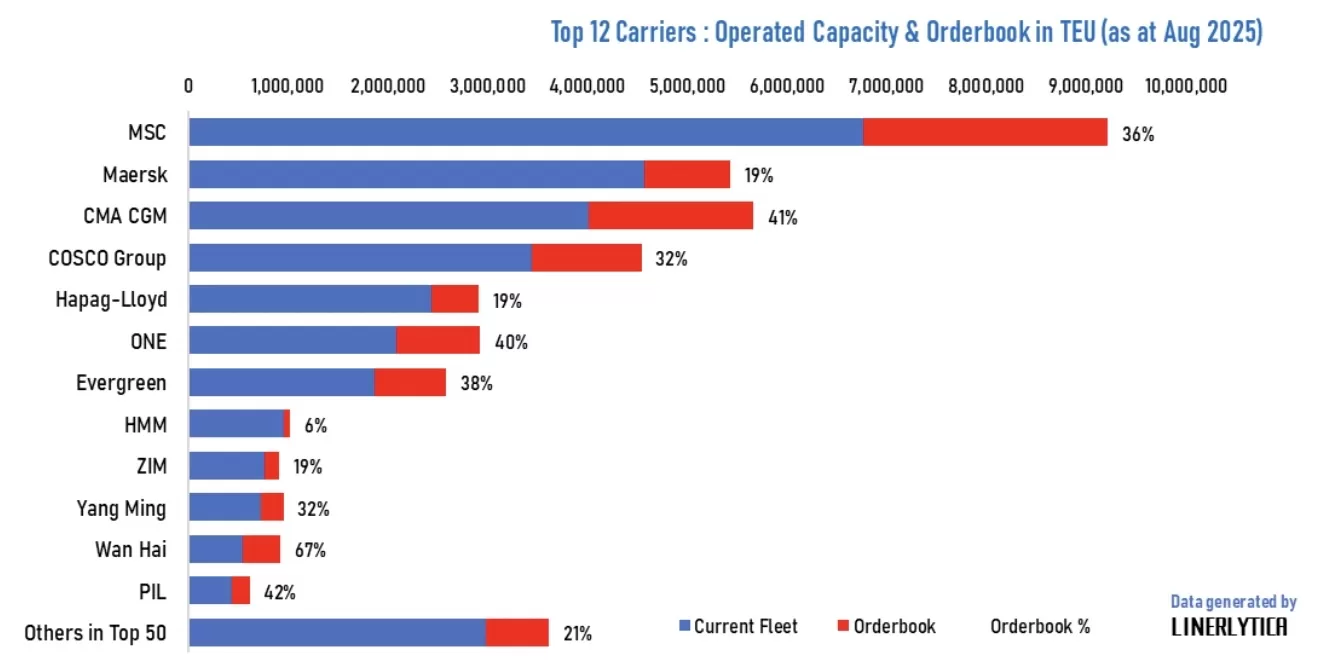
The top 12 largest container shipping companies in the world (as of August 2025) currently control the majority of global capacity. With the continuous addition of new vessels, they face a double challenge: expanding their network to utilize resources while simultaneously adjusting capacity to avoid further exacerbating the oversupply situation.
Financially strong shipping companies can weather the storm in the long term, but smaller companies or those heavily reliant on short-term freight rates will be severely affected. This could lead to a wave of restructuring or mergers in the coming years, similar to what happened after the 2008-2009 crisis.
Conclusion
The record number of container shipbuilding orders brings optimism to shipyards and reflects the confidence of shipping companies in long-term demand. However, behind this boom lies an undeniable reality: supply is exceeding demand at an alarming rate.
Without an effective balancing act, the container shipping industry could fall into a vicious cycle: overcapacity, plummeting freight rates, and eroded profits. These developments will continue to have a profound impact on the entire global supply chain for years to come.
Interlink will continue to monitor and update on major fluctuations in the container shipping market, helping businesses and customers proactively respond and optimize their logistics strategies in the current volatile environment.
NEWS & BLOG
RELATED ARTICLES

OFFICIAL: May 6 Recognized as Vietnam Logistics Day
The Minister of Industry and Trade has officially issued Decision No. 1065 dated May 6, 2026, recognizing Vietnam Logistics Day and Vietnam Logistics Week. Under the decision, May 6 each year will be officially recognized as Vietnam Logistics Day, while the week including May 6 will be designated as Vietnam Logistics Week. According to the […]
VIETNAM OFFICIALLY WELCOMES THE LARGEST CONTAINER “GIANT” IN ITS NATIONAL FLEET
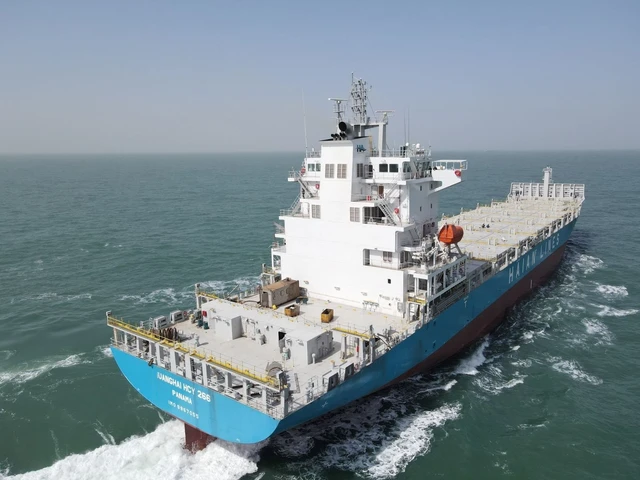
With a total investment of nearly VND 3 trillion, the container vessel Haian Beta has officially become the new giant of Vietnam’s maritime transport industry. • Deadweight of over 24,000 DWT• Capacity of nearly 1,800 TEUs• Height equivalent to a 15-story building• Maximum speed of 18.5 knots This vessel is part of the fleet expansion […]
IRAN TIGHTENS CONTROL OVER THE STRAIT OF HORMUZ WITH NEW “NO MAIL – NO PASSAGE” SYSTEM
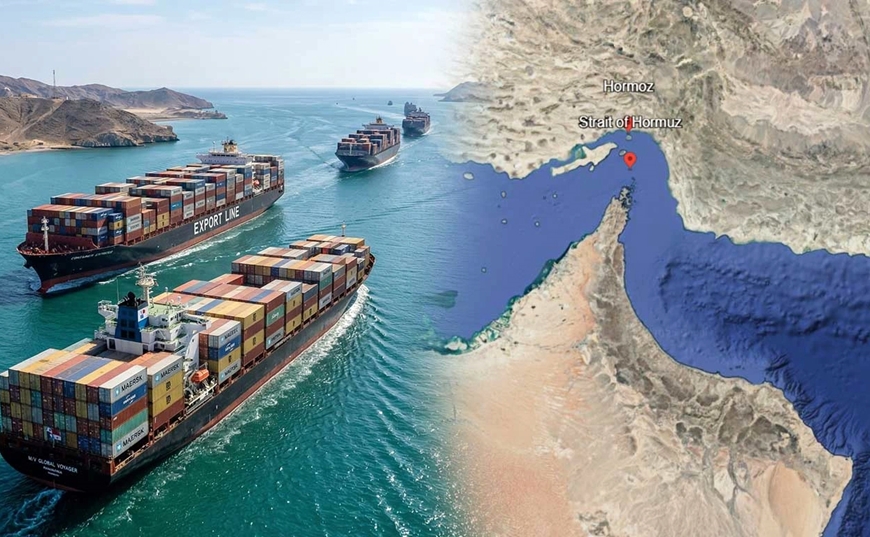
Amid escalating tensions in the Middle East, Iran has officially introduced a new mechanism to regulate maritime traffic through the Strait of Hormuz — one of the world’s most strategic shipping chokepoints. Under the new system, all vessels intending to transit the strait must first receive official guidance via email and obtain prior authorization before […]

MSC LAUNCHES NEW SHIPPING ROUTE TO BYPASS HORMUZ STRAIT, ENSURING GLOBAL TRADE FLOW
Amid escalating geopolitical tensions in the Strait of Hormuz—one of the world’s most critical maritime routes—global container shipping leader Mediterranean Shipping Company (MSC) has swiftly introduced a new logistics solution to mitigate risks and maintain supply chain stability. Specifically, MSC has launched the Europe – Red Sea – Middle East Express service, connecting European ports […]
MAERSK Officially Welcomes the “BRISBANE MÆRSK” Ship – A New Step in the Global Green Transportation Journey
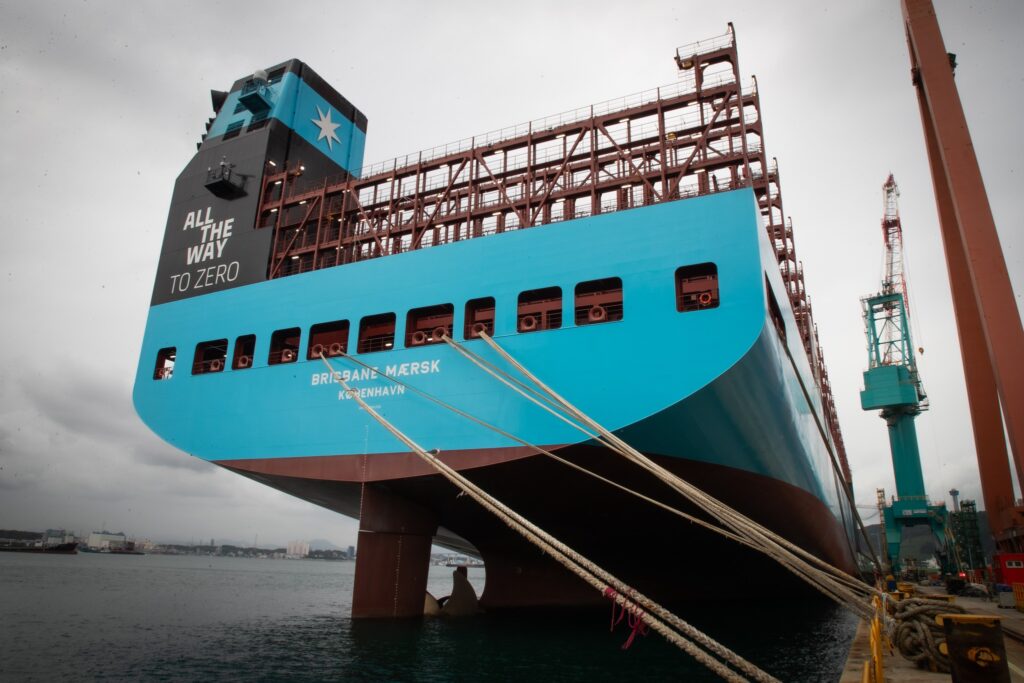
Maersk Group has officially welcomed the “Brisbane Mærsk” to its fleet of green methanol-fueled vessels – marking a significant milestone in its sustainable shipping strategy. This new step demonstrates Maersk’s strong commitment to reducing carbon emissions and aiming for net-zero emissions by 2040. The “Brisbane Mærsk” is designed with state-of-the-art technology, using green methanol fuel […]
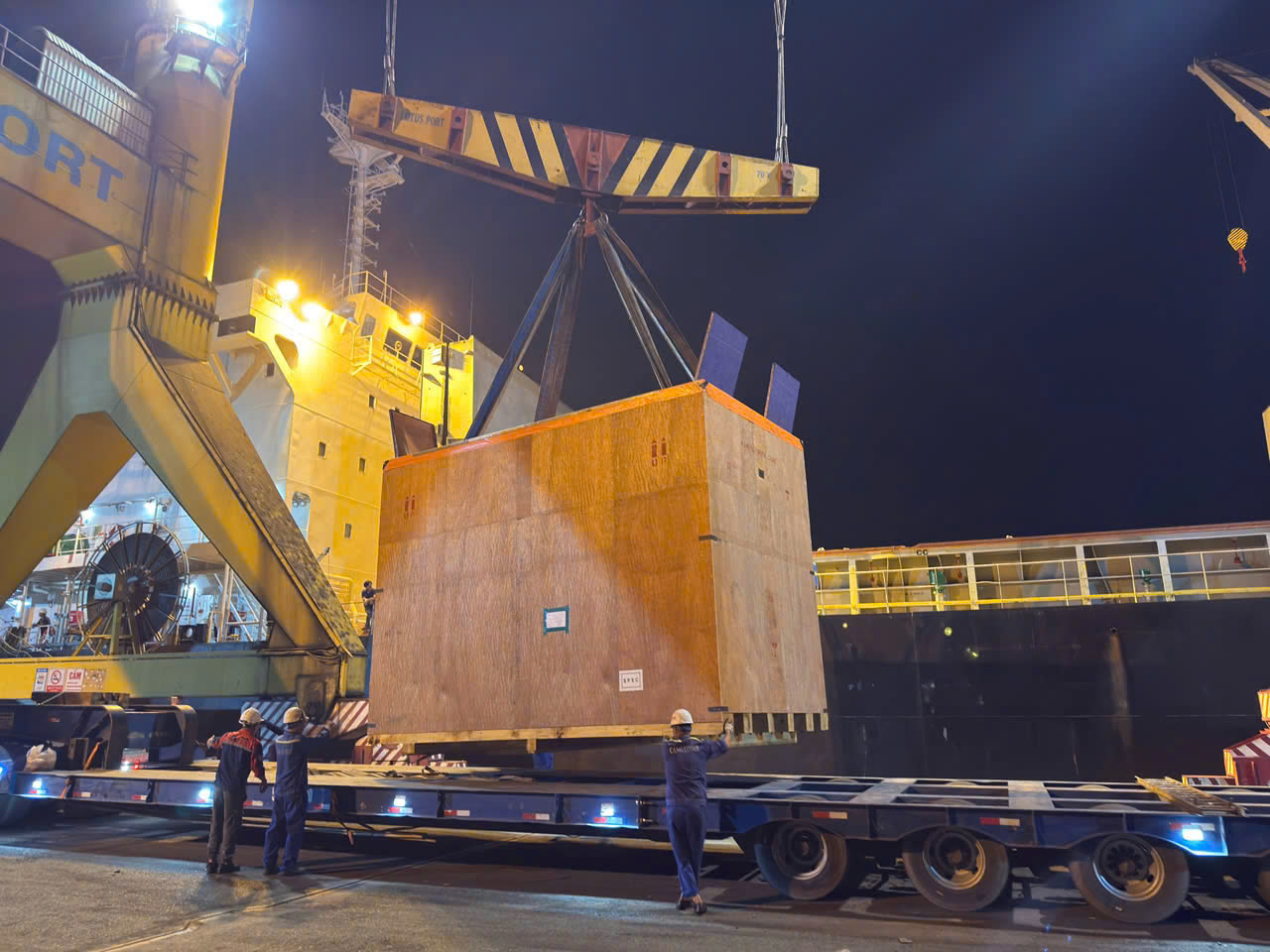
Transporting 2 Super-Heavy Press Machines from Korea: The “Direct Loading” Method Saving 25% in Costs
PROJECT OVERVIEW Interlink successfully managed the transportation of 02 super-heavy press machines imported from South Korea, weighing 48 tons and 59 tons per unit respectively. The shipment traveled from a Korean port to a factory located in My Phuoc 3 Industrial Park, Vietnam. The project demanded a logistics solution that guaranteed absolute safety while optimizing […]
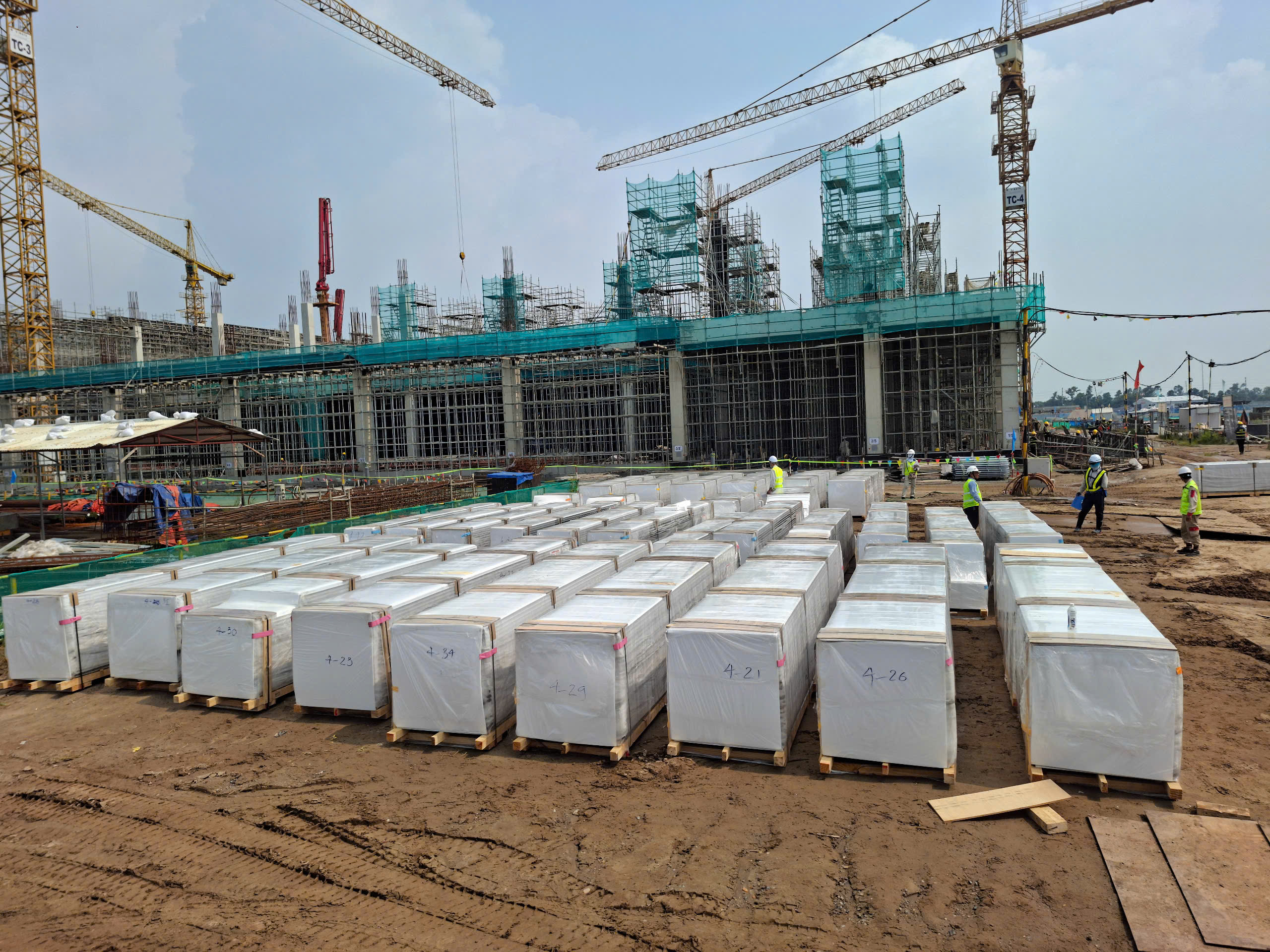
Transporting 22 Containers of Panels – Interlink’s Coordination Prowess
PROJECT OVERVIEW Client: Vinata Contractor Location: Thang Long II Industrial Park, Hung Yen Scale: 22 containers of Panels Execution Method: Divided into 4 delivery phases Timeline: May – July 2025 This is not merely a standard transport project, but a complex logistics puzzle. It demands seamless cross-departmental coordination, flexible problem-solving capabilities, and a steadfast commitment […]
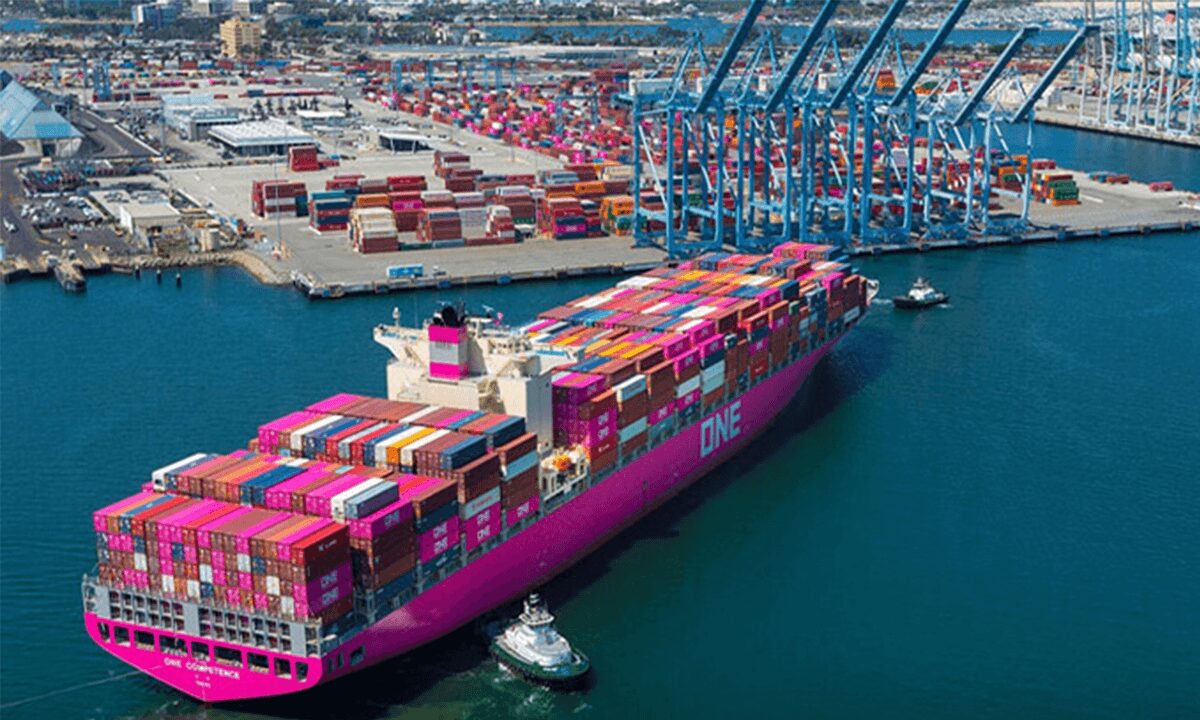
Shipping Line ONE Acquires 30% Stake in Key Laem Chabang Port, Thailand
Ocean carrier ONE continues its infrastructure acquisition strategy by signing an agreement to purchase a 30% stake in the Hutchison Laem Chabang terminal (Thailand), closely following a port investment deal in Busan. Japanese container shipping line Ocean Network Express (ONE) is utilizing a portion of the profits accumulated in recent years to accelerate the development […]
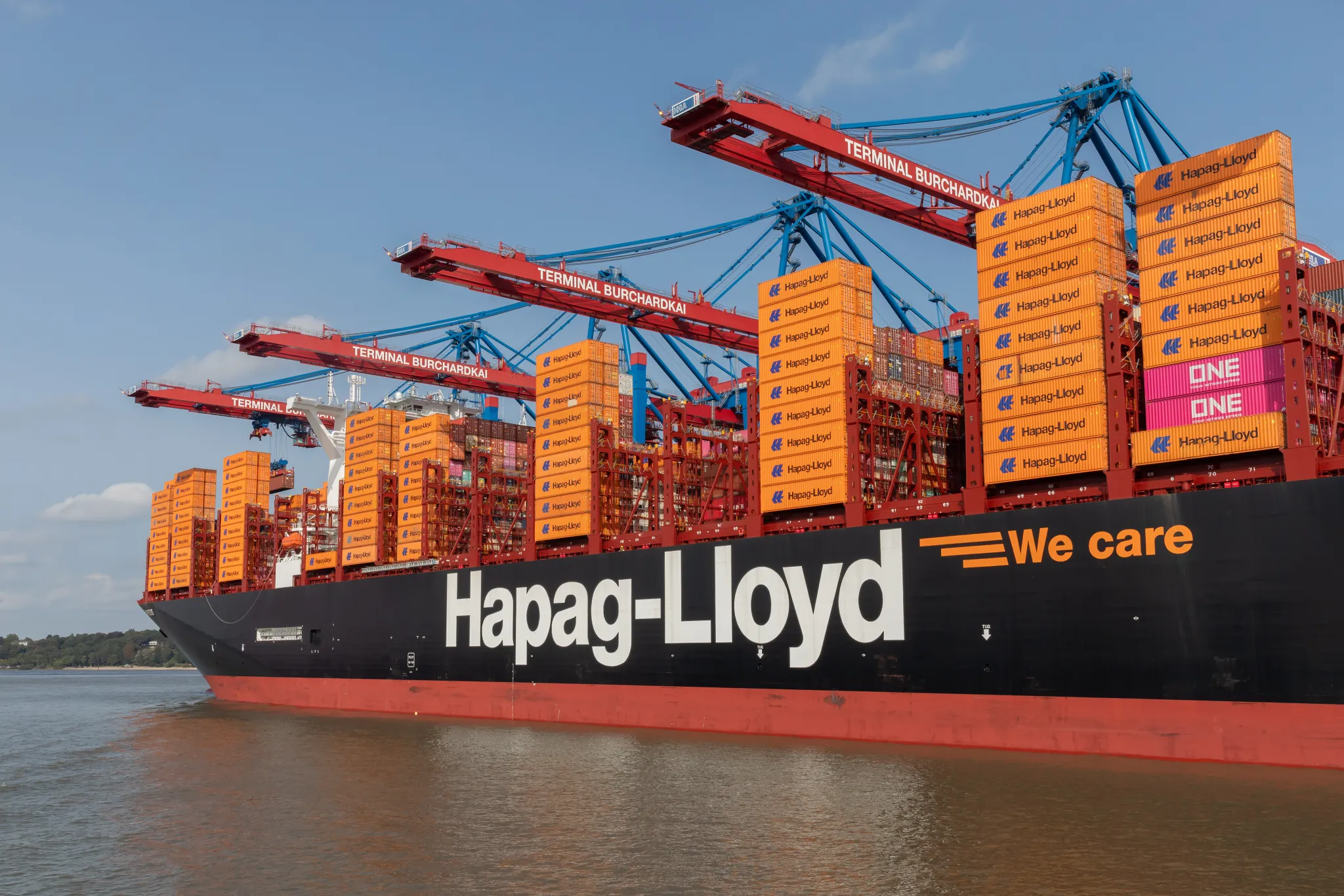
Hapag-Lloyd Announces General Rate Increase (GRI) on South America Route
Effective May 1, 2026, ocean carrier Hapag-Lloyd will officially implement a General Rate Increase (GRI) of $200 per container for all types of cargo transported from the East Coast to the West Coast of South America. Ocean carrier Hapag-Lloyd has issued an official advisory regarding the implementation of a General Rate Increase (GRI) for shipments […]
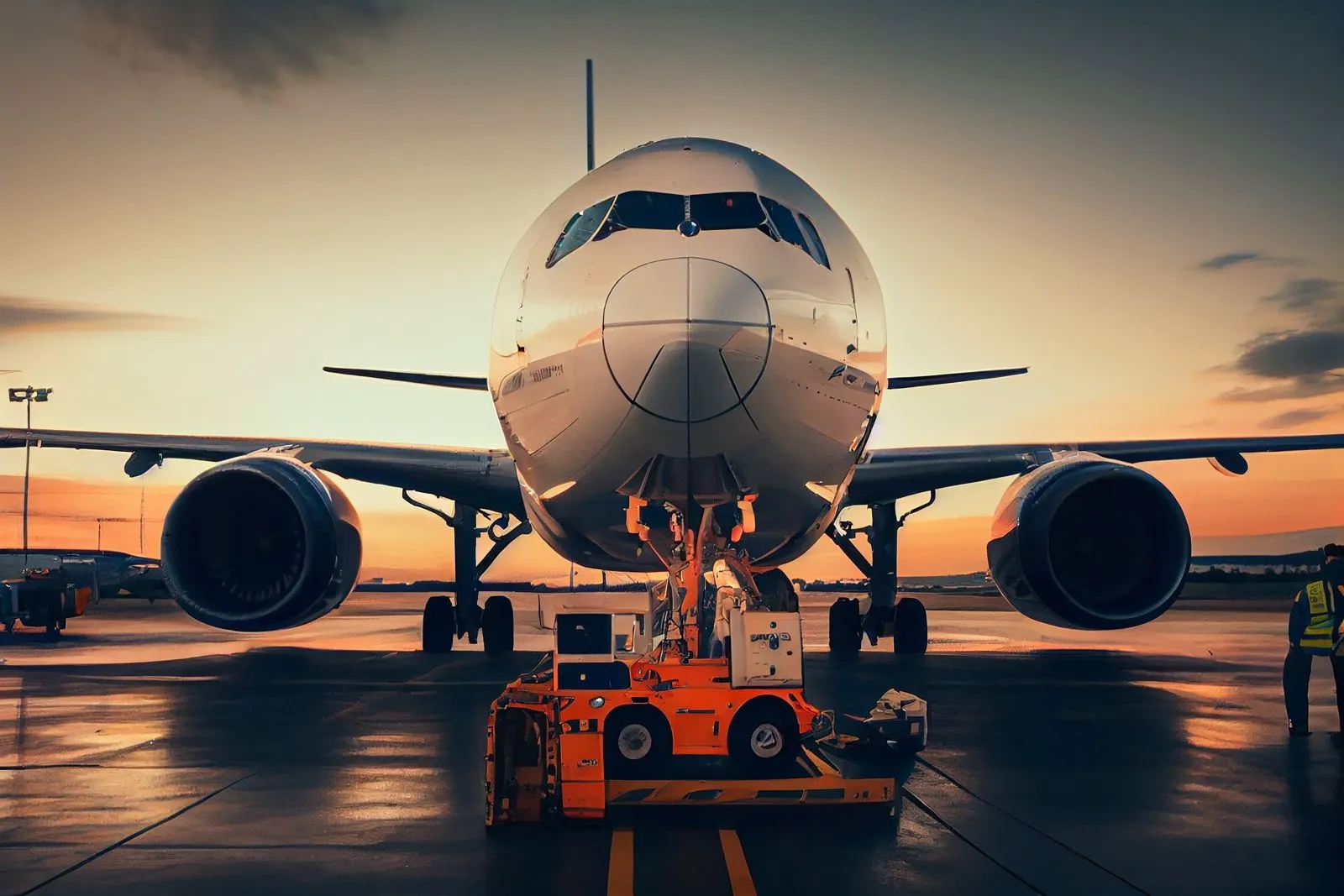
Ripple Effect: Middle East Crisis Reshapes Global Aviation Logistics and Supply Networks
Geopolitical tensions in the Middle East are fundamentally reshaping the global aviation logistics landscape. From blockaded flight corridors and soaring fuel prices to the fracturing of MRO hubs, the supply of aircraft parts is facing an unprecedented stress test. The cascading effects of the Middle East conflict have transformed routine aviation procurement and logistics into […]

Contact Us
Get Solutions Now
We respond to all requests within 24 hours.
 0937 48 18 98


