





 Đã sao chép
What does a set of customs documents for import and export include?
EXPORT DOCUMENTATION SET
To export goods, businesses need to prepare a complete set of documents including mandatory papers such as commercial contracts, commercial invoices, packing lists, bills of lading, customs declarations, and documents related to inspection/certification. Proper and complete preparation ensures smooth customs clearance and avoids the risk of goods being held up or delayed payment.
Necessary and Complete Export Documentation Set
1. Mandatory Documents
- Sales Contract: A written agreement between the seller and the buyer, clearly specifying the terms of the transaction, quantity, price, and payment method.
- Commercial Invoice: Issued by the exporter, clearly stating information about the goods, value, and delivery conditions (Incoterms).
- Packing List: Detailed list of packing methods, number of packages, weight, and dimensions.
- Bill of Lading/Airway Bill: Issued by the carrier, confirming receipt of goods for transport.
- Export Customs Declaration: Declared by the business on the electronic customs system, serving as the basis for customs clearance.
- Certificate of Origin – C/O
A C/O is a condition for a shipment to enjoy preferential tariffs under the Free Trade Agreements (FTAs) that Vietnam has signed. Currently, Vietnam commonly uses the following types of C/O:
- Form B: Standard C/O, applicable to all markets.
- Form D: Applicable within the ASEAN framework.
- Form E: ASEAN – China (ACFTA).
- Form AK: ASEAN – Korea (AKFTA).
- Form AI: ASEAN – India (AIFTA).
- Form RCEP: Regional Comprehensive Economic Partnership Agreement.
- Form EUR.1 / REX: Applicable to the EU market within the framework of EVFTA.
- Form AANZ: ASEAN-Australia-New Zealand (AANZFTA)
- CPTPP: Comprehensive and Progressive Trans-Pacific Partnership Agreement (including the following countries: Australia, Brunei, Canada, Chile, Japan, Malaysia, Mexico, New Zealand, Peru, Singapore, and Vietnam)
C/O issued by competent Departments of Industry and Trade.
2. Additional documents (depending on the goods and market)
- Export license: For goods subject to special management (e.g., wood, minerals).
- Insurance certificate: If the delivery conditions require the seller to purchase insurance.
- International payment documents: Letter of Credit (L/C), Telegraphic Transfer (T/T).
Important Note
- Documentary errors can lead to goods being held at the port, delayed delivery, or non-payment.
- Ensure consistency between documents (e.g., product name, quantity, and unit price must match).
- Comply with Vietnamese and importing country laws and regulations (Circular 38/2015/TT-BTC, Circular 39/2018/TT-BTC, and Circular 121/2025/TT-BTC).
IMPORT DOCUMENTATION SET
To import goods into Vietnam, businesses need to prepare a complete set of documents including the import contract, commercial invoice, packing list, bill of lading, customs declaration, and supplementary documents such as Certificate of Origin (C/O), quality inspection certificate, and delivery order. Accurate and consistent preparation of information helps expedite customs clearance and avoid the risk of goods being held or incurring additional costs.
Necessary and Complete Import Documentation Set
1. Mandatory Documents
- Import Contract (Sales Contract): The legal basis for the transaction, clearly specifying delivery conditions, price, and payment method. Commercial Invoice: Issued by the exporter, clearly stating the value of goods, HS code, quantity, unit price, and total value.
- Packing List: Detailing the number of packages, weight, dimensions, and packing method.
- Bill of Lading/Airway Bill: Issued by the carrier, confirming receipt of goods for transport.
- Import Customs Declaration: Declared on the VNACCS/VCIS system; information must match the contract, invoice, packing list, and bill of lading.
- Delivery Order (D/O): Issued by the shipping company or agent, allowing receipt of goods at the port.
2. Supplementary Documents (depending on the goods and market)
- Certificate of Origin (C/O): Helps to benefit from preferential tariffs under trade agreements.
- Quality inspection/quarantine certificate: Mandatory for certain items such as food, agricultural products, and pharmaceuticals.
- Import license: For goods subject to special management (e.g., scrap metal, medical equipment).
- Insurance certificate.
Important notes:
- Information must be consistent across all documents (item name, quantity, unit price, delivery terms).
- Errors in HS code can lead to incorrect tax rates, causing financial losses.
- Comply with Vietnamese laws and regulations: Circular 38/2015/TT-BTC, Circular 39/2018/TT-BTC, and Circular 121/2025/TT-BTC on customs procedures.
- Check the requirements of the importing partner and market to supplement specific documents.
Mr. Ho
RELATED KNOWLEDGE
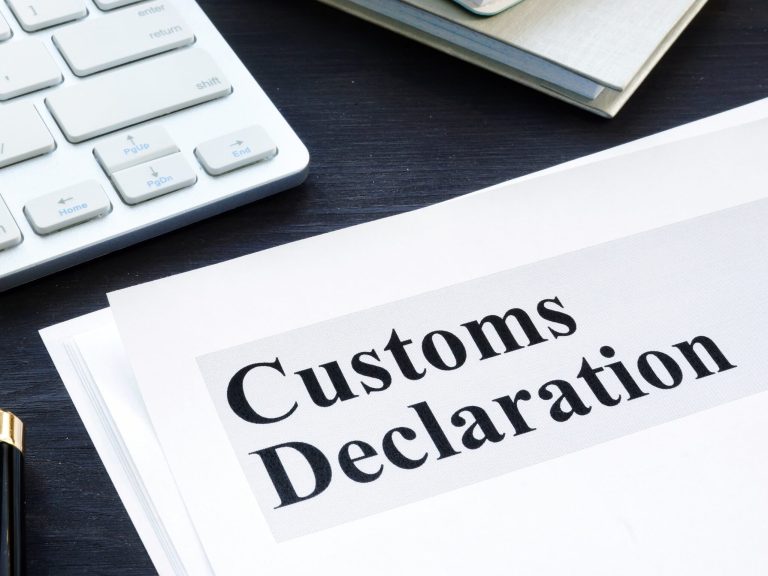
Customs Clearance Channel Classification
In import and export operations, customs clearance is a risk management mechanism aimed at controlling goods, facilitating quick customs clearance procedures while ensuring compliance with the law. The clearance system is divided into three main types: Green, Yellow, and Red. Green Channel Meaning: Goods are cleared immediately without document or physical inspection. Characteristics: Reputable businesses […]
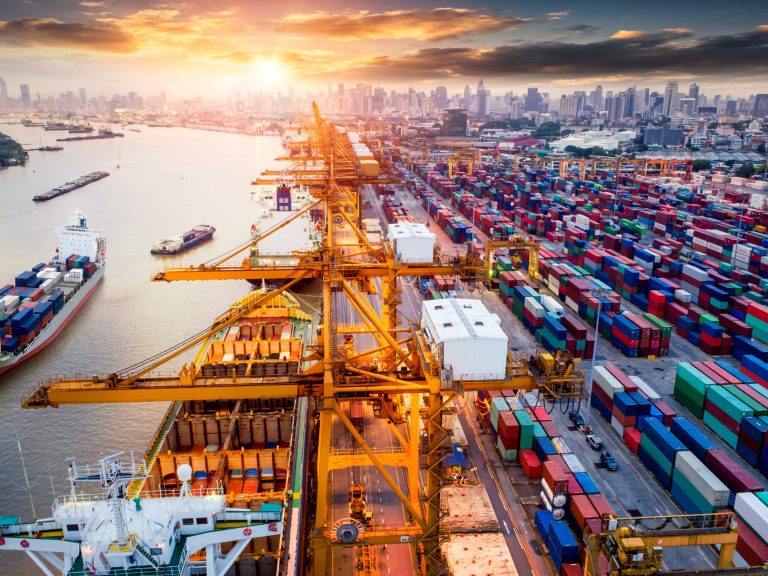
Optimized Automated Customs Declaration Solution for Businesses
In the context of increasingly developing international trade, customs procedures play a crucial role in the success of import and export activities. Preparing documents, declaring, and clearing goods is not only time-consuming but also carries many legal risks if regulations are not followed correctly. Therefore, businesses should consider using professional customs services to optimize the […]
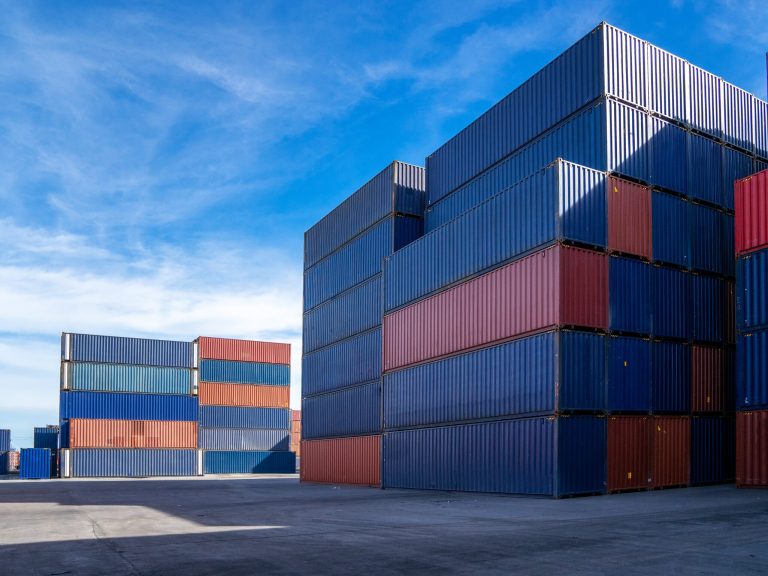
How to Track Container Location at the Port
Thousands of shipping containers are moved in and out of seaports every day… Therefore, knowing the location of your container and its current stage in the import/export process is crucial for every business. This is why container tracking services were created to help businesses monitor the progress of their goods and ensure timely fulfillment of […]

Electronic Customs Declaration – Things You Need to Know
Electronic customs declaration is a modern solution that helps businesses save time and costs and increase transparency in import and export, but it still carries risks of technological dependence, hard-to-detect errors, and the potential for fraud. What is electronic customs declaration? It is the process by which businesses declare goods information through a software system […]

Contact Us
Get Solutions Now
We respond to all requests within 24 hours.
 0937 48 18 98


